

Written by Dr Adrian York
August 23, 2026
A Sparkling Figaro from de Niese
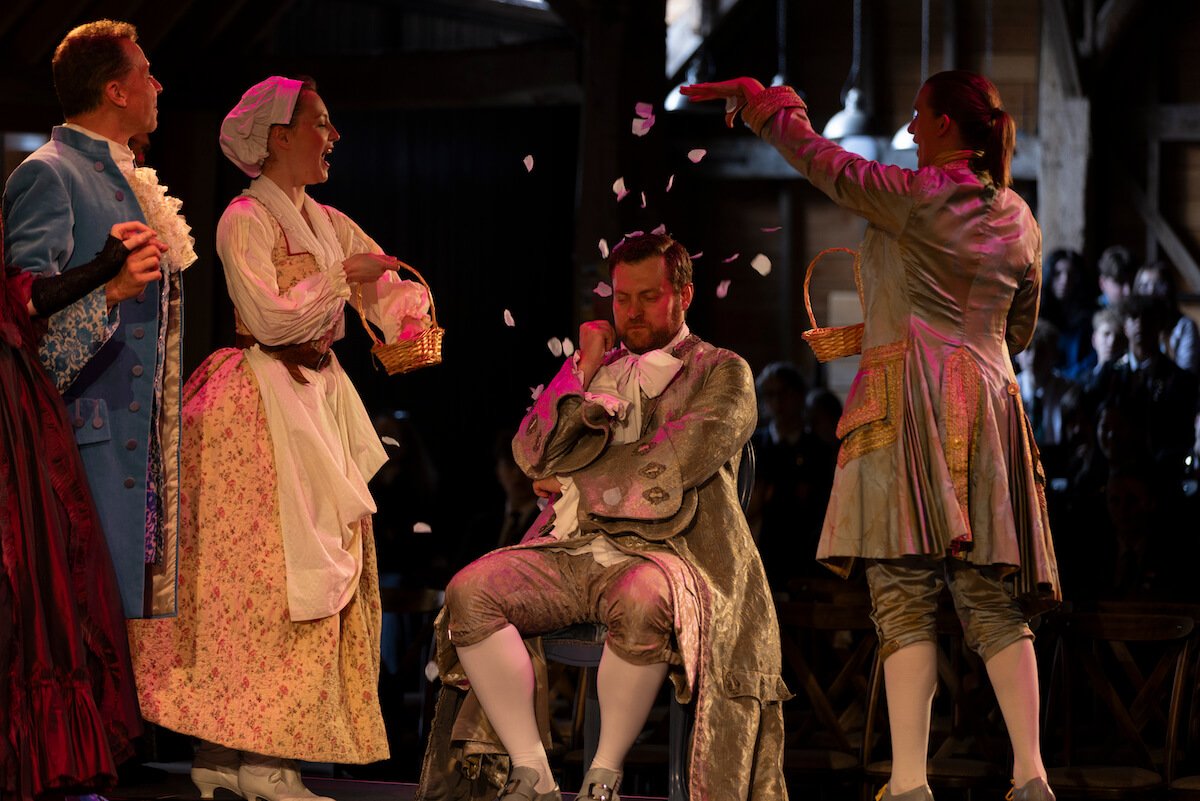
Last night saw Wild Arts bringing their new pared-back production of Mozart’s The Marriage of Figaro to Opera Holland Park. For gossips like me, there was an extra frisson of excitement because the production, which fizzes with energy and good humour, was also the directorial debut of star soprano Danielle de Niese, the wife of Gus Christie, head honcho at Glyndebourne.
Composed by Wolfgang Amadeus Mozart and with a libretto by Lorenzo Da Ponte, Figaro is a four-act comic opera written in 1786. It takes its inspiration from Beaumarchais’s revolutionary 1784 play ‘La folle journée, ou Le Mariage de Figaro’ that dared to critique the aristocracy, leading to the play being banned. With rave reviews from its first performance, The Marriage of Figaro has been consistently ranked as one of the greatest of all operas, both by performers and audiences.
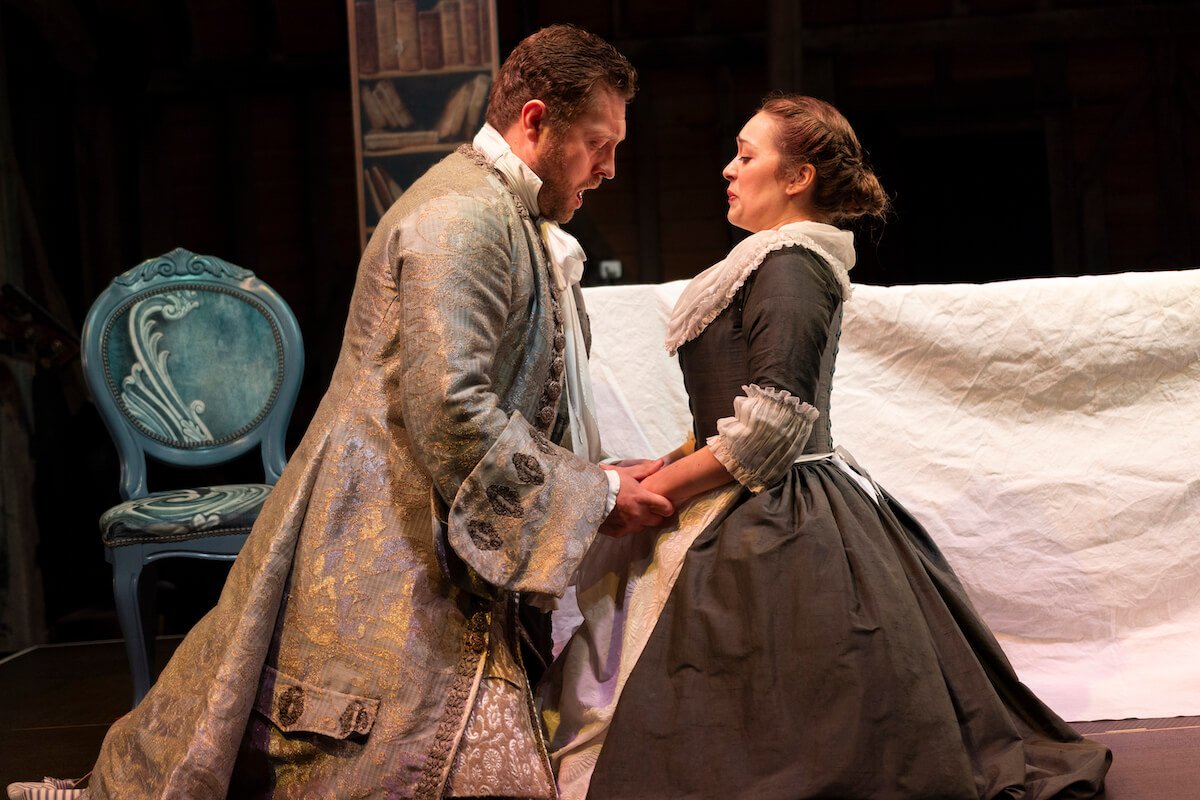
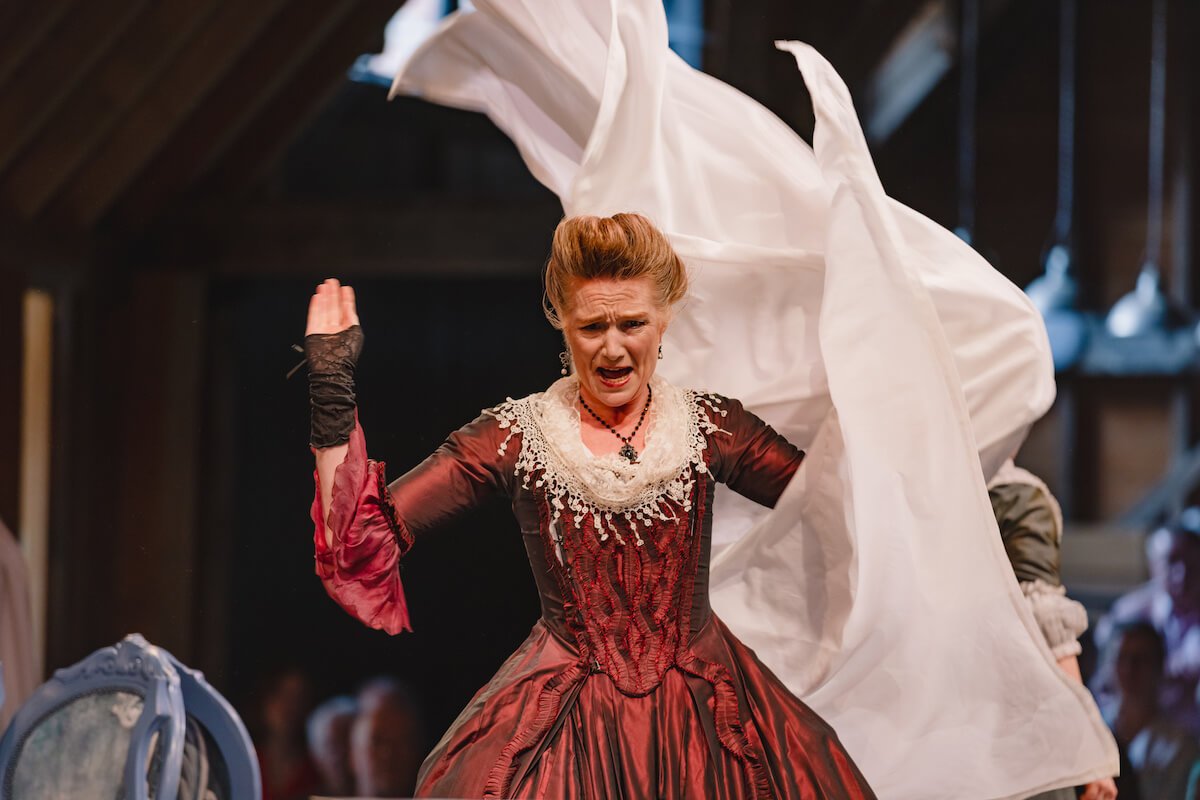
The narrative is driven by Count Almaviva’s attempts to assert his ‘droit de seigneur’ over his servant Susanna on the day of her wedding to Figaro, the Count’s steward. Set over the course of one day in the Count’s palace in Seville in the 1820s, we see how Susanna, Figaro and Countess Almaviva plot to thwart the Count’s plans. The Count fights back by insisting that Figaro should marry a much older woman, Marcellina, who it transpires is Figaro’s mother. Through the machinations of Susanna and Countess Almaviva, Figaro marries his bride and the Count is schooled in the virtues of fidelity.
Opera Holland Park takes place in a canopied open-air auditorium, so whilst you are totally protected from the vagaries of the weather, there is a sense of being at one with nature. There’s the occasional extra chorus of local dogs adding to the fun, and sometimes the smell of skunk wafts into the auditorium as the local trust fund kids skateboard past, but it’s the closest the capital has to a country-house opera setting, and it’s rather wonderful. The stage backs up onto the remains of Holland House, an early Jacobean pile, which adds an extra scenic twist.
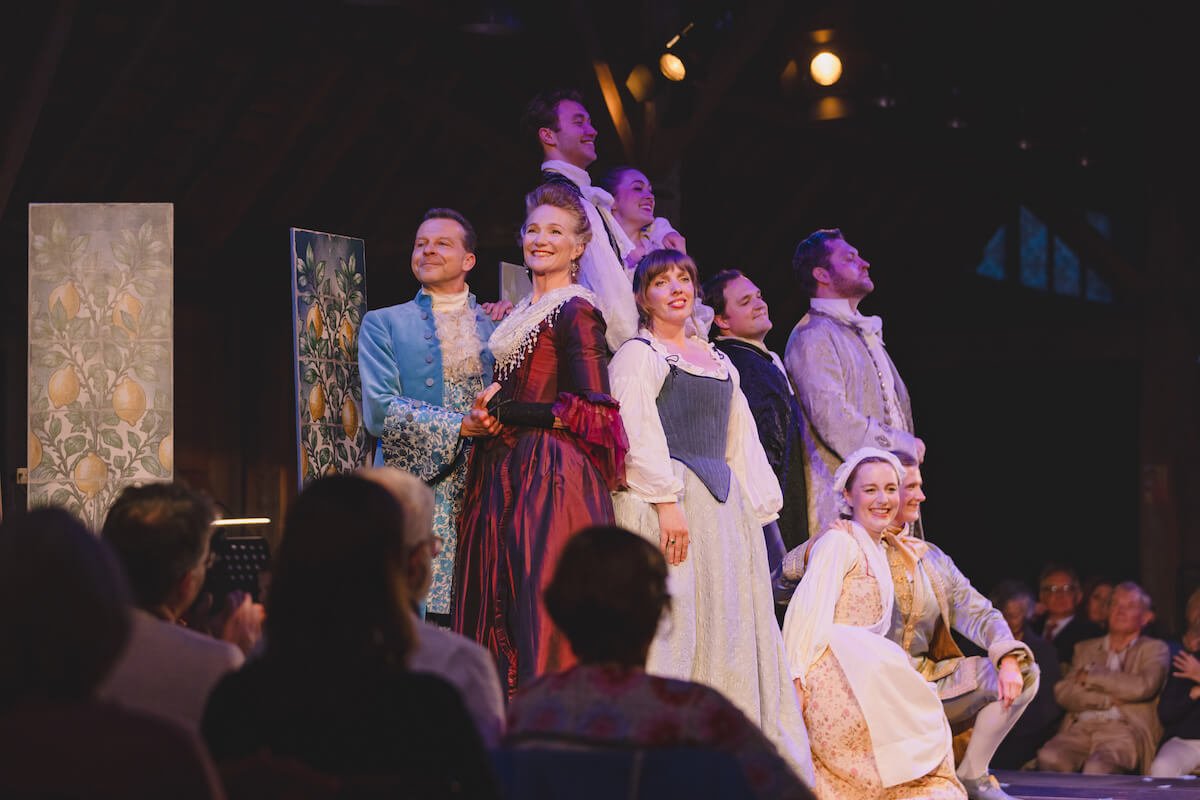
Designer Laura Stanfield has created a symbolic world out of a couple of chairs, four boxes and four screens which apparently fit into the back of an electric estate car. This bare-bones approach works fine most of the time, with the opera being so well-constructed that an additional physical skeleton to frame the drama is unnecessary. However, the seating set-up at Holland Park has a central block with two angled wings, so when the singers are addressing the opposite wing to where you are, the vocals can get lost. Transitions between the acts are also a bit clunky and drawn out as the actors and stagehands move the props around the huge Holland Park stage.
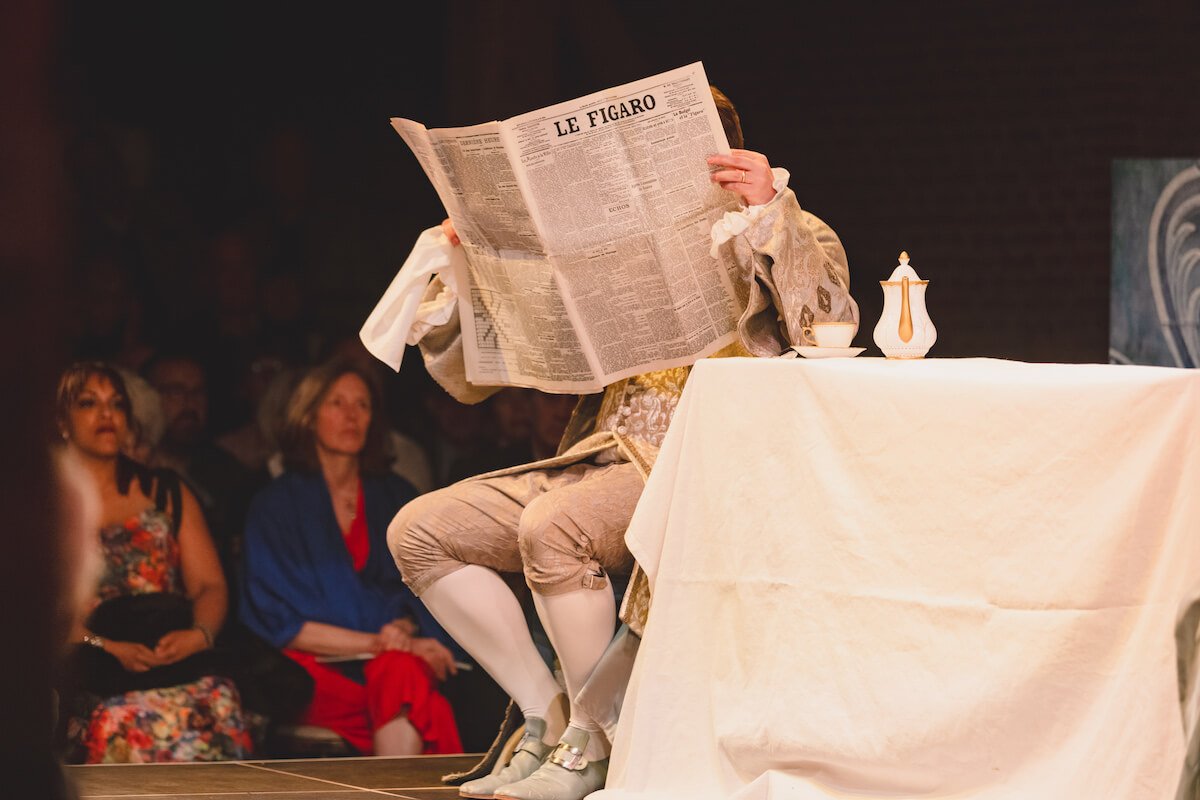
Danielle de Niese and Wild Arts’ musical director Orlando Jopling have created an impressive new translation that manages to make sense of the convoluted farce-like plot as well as retaining the Italianate melodic contours. They aren’t afraid of slipping into the vernacular if required: “Well, that was a bloody s***show”, which adds a sense of freshness to the proceedings.
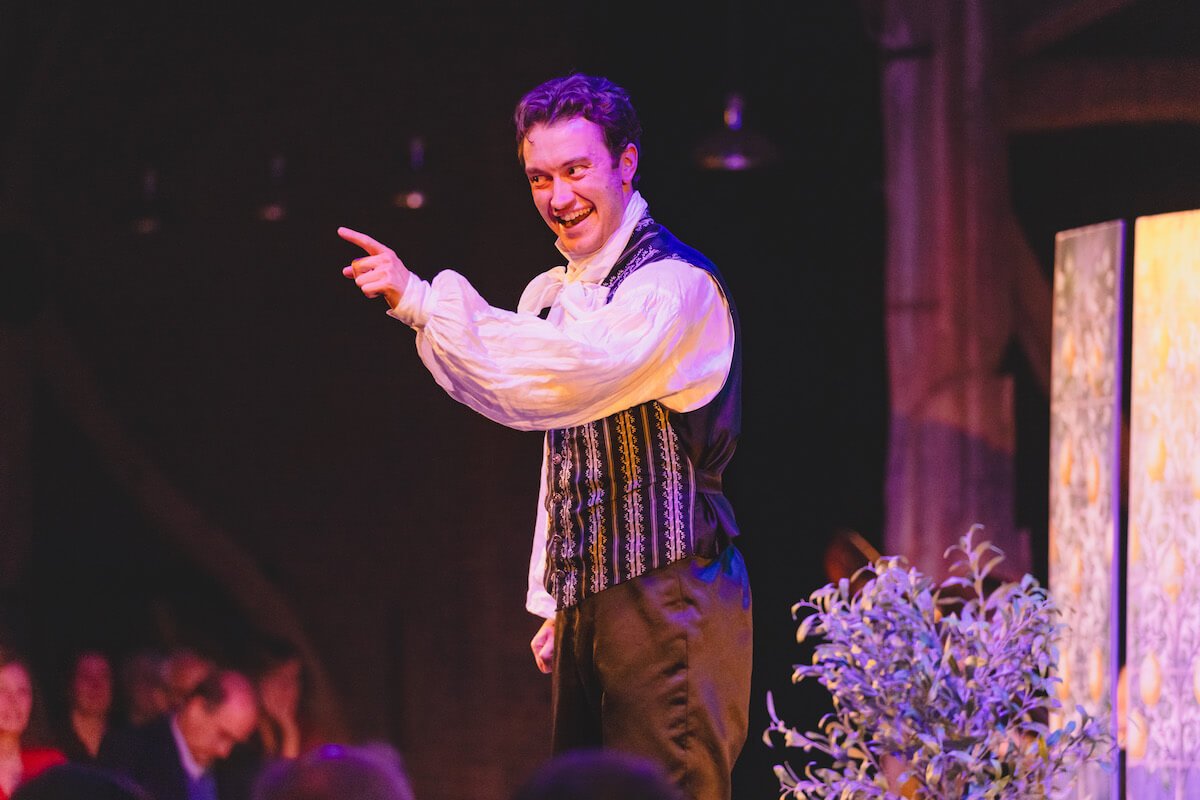
Jack Sandison was excellent as the wily servant Figaro, with his bass-baritone voice having both resonance and flexibility. Looking like a young Richard E. Grant, he brought a refreshingly contemporary comic sensibility to the part.
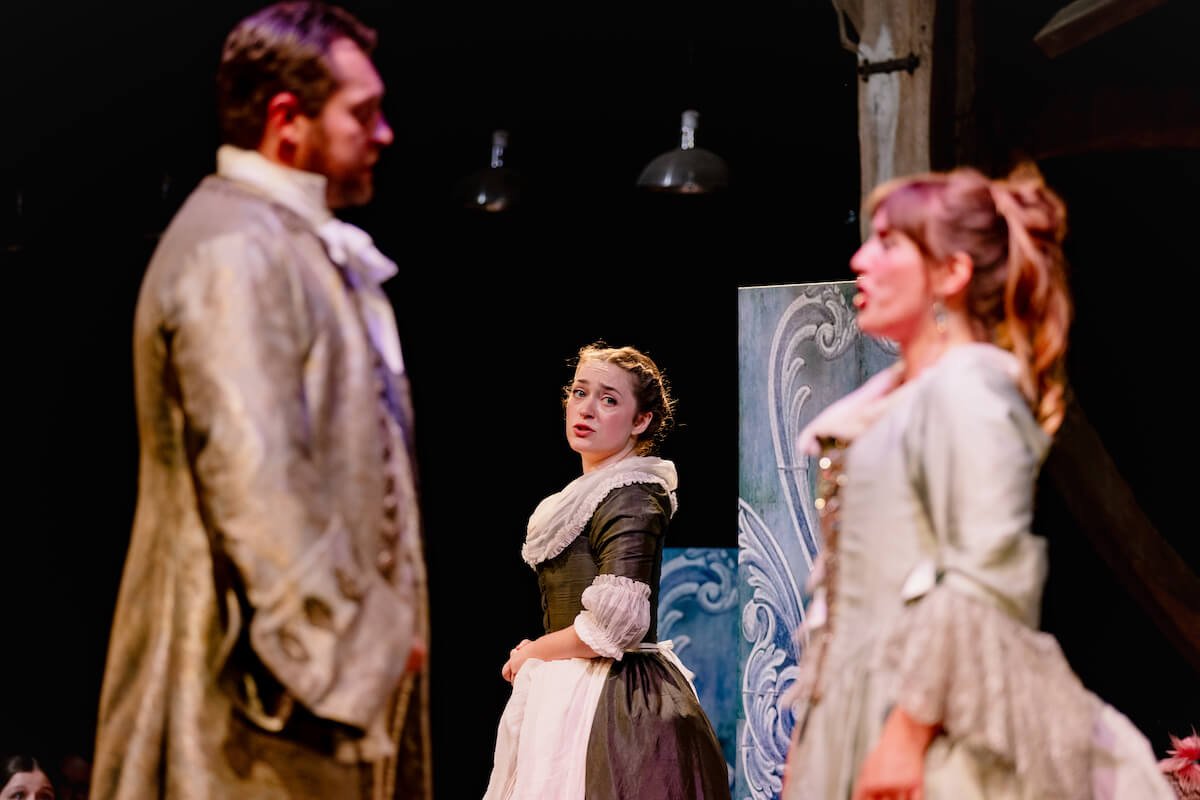
Ellie Neate’s sparkling soprano made for a feisty and vivacious Susanna, charmingly discombobulated when Marcellina reveals herself to be Figaro’s mum. Act 3’s famous “Letter Duet” with ponytailed Elinor Rolfe Johnson’s Countess Almaviva was gorgeous, with Rolfe Johnson’s warmer and more mature tone blending effortlessly with Neate’s.
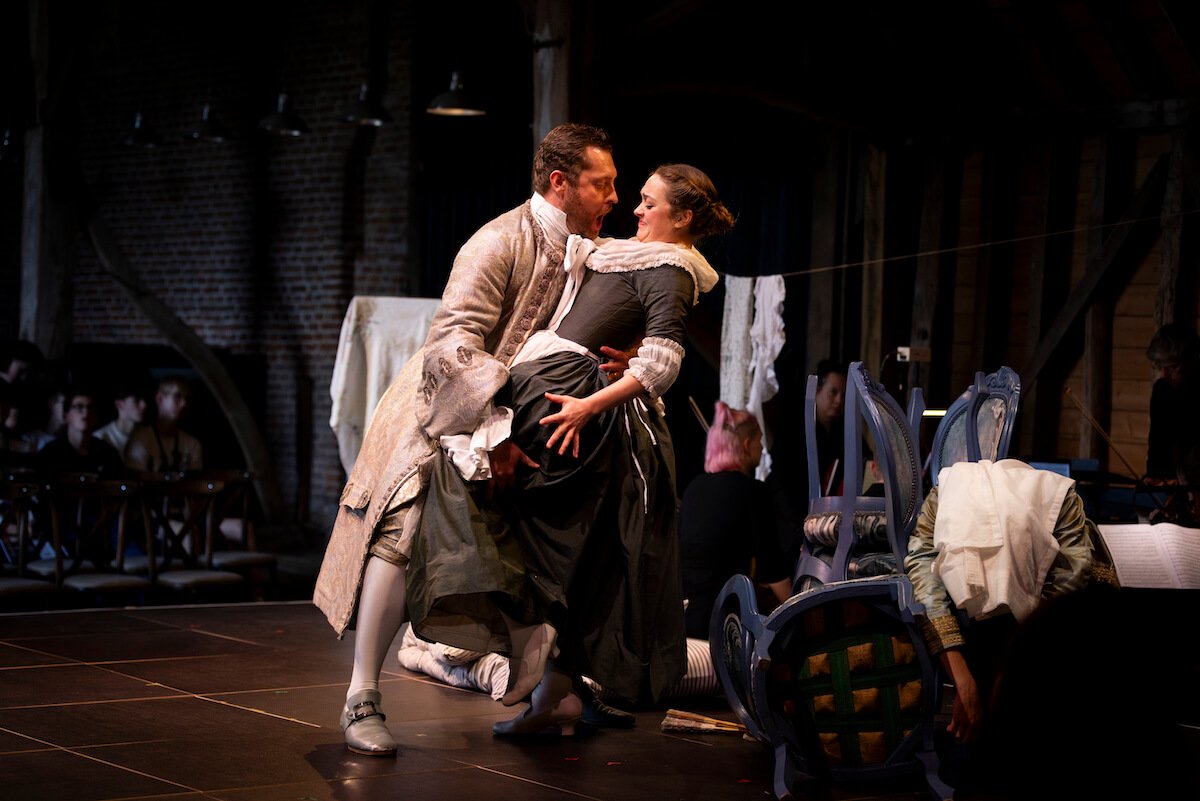
Baritone Timothy Nelson stole the show in 2022 with his performance of the servant Elviro’s drinking song “Del mio caro Bacco” in the 2022 production of Handel’s Serse at Opera Holland Park. He was a fine Count Almaviva: rich-toned, entitled, bullying and predatory.
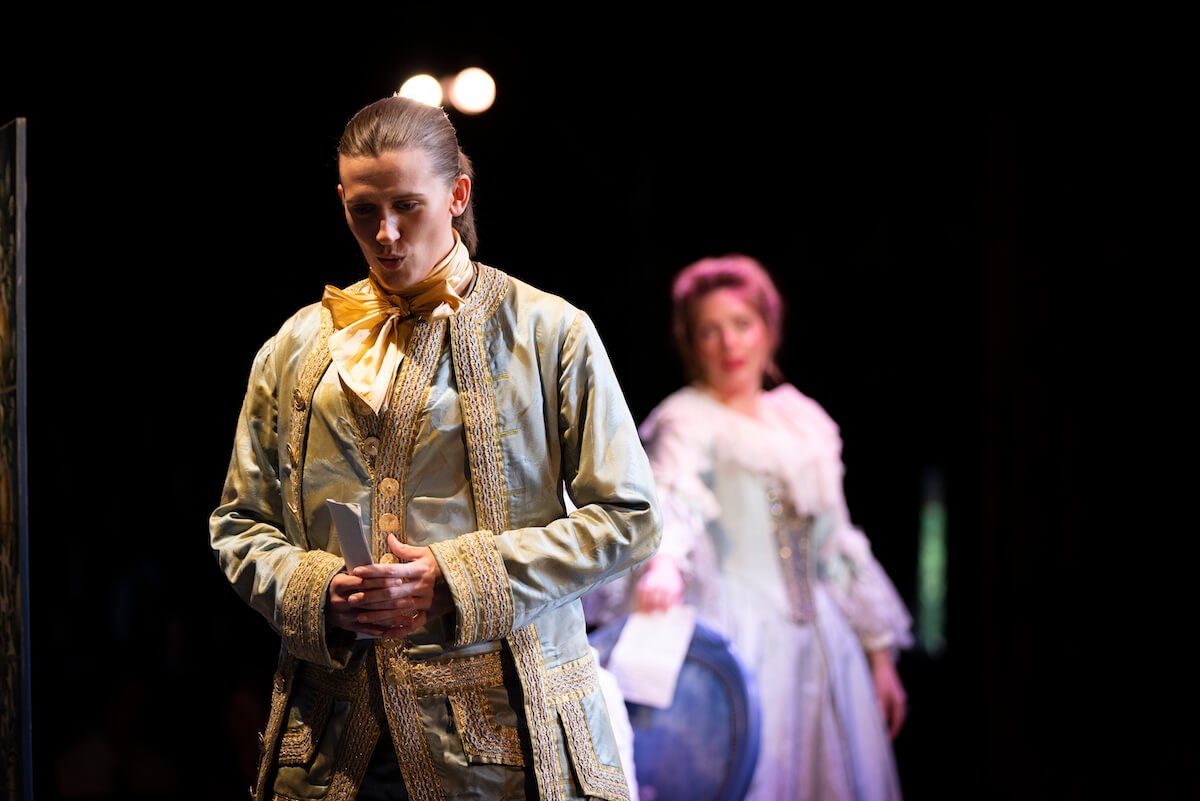
In the smaller roles, mezzo-soprano Abbie Ward played the trouser role of Cherubino with a pleasing boyish adolescent swagger, and Olivia Ray was fabulous as the Glen Close-ish cougar Marcellina.
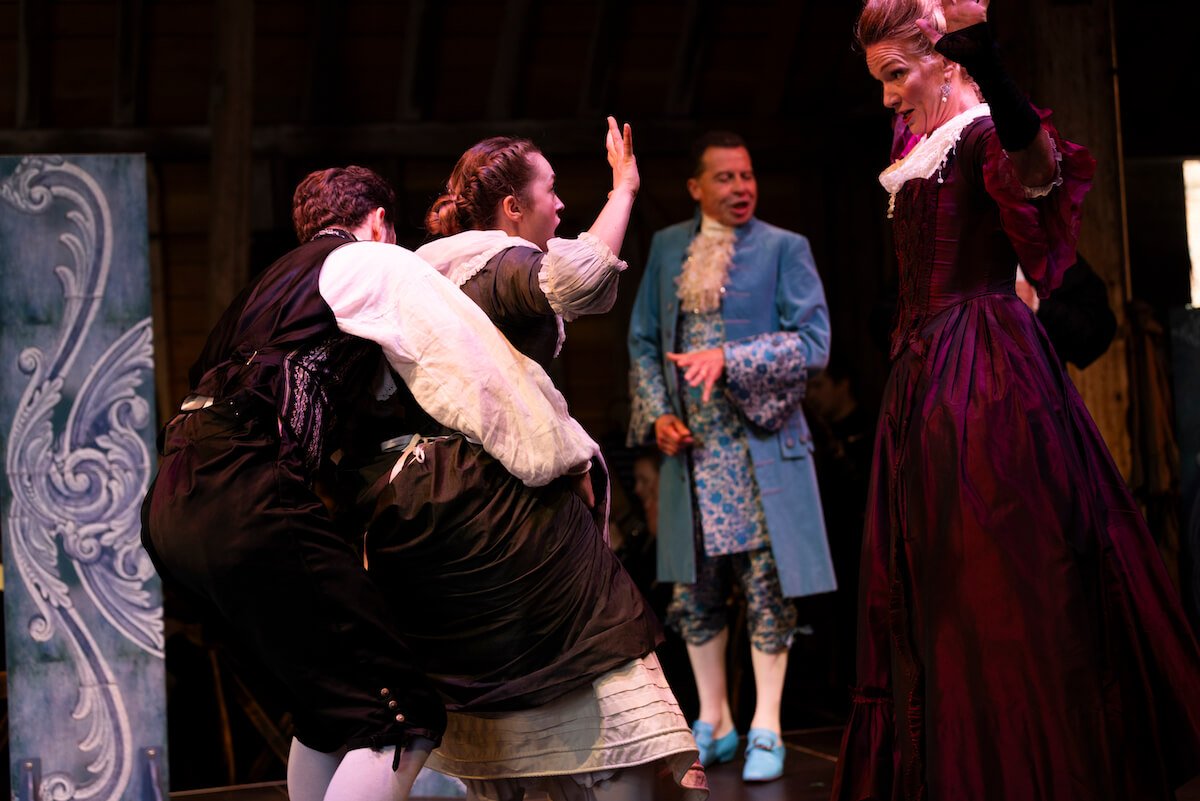
Danielle de Niese has earned her spurs as a director with strong characterisations, a lot of physical gags and some excellent acting from what was a well-cast ensemble. Musical director Orlando Jopling displayed a fine control of pacing and dynamics, leaping onto a digital piano to cover the continuo parts as necessary. The Wild Arts Ensemble settled into their performance and sounded confident and well balanced, with some additional comedic string glissandi thrown in for good measure.
The production has been running since early June and will continue until September on its long series of one-night stands through England. The Wild Arts ethos is to make opera accessible, both through pricing policy and educational outreach, and sustainable, with the focus being on the performances. This was the first production that I’ve seen from the Wild Arts company, but we need high-quality touring productions to reach the parts other companies don’t reach, and they are fulfilling that brief admirably. As for Danielle de Niese, I wonder where her next directing gig may come from?